Microsoft Bookings Alternatives: Tested and Compared in 2026
Gabriela Łaba
Contents
- Microsoft Bookings alternatives - Quick summary
- YouCanBookMe - Best for personalized booking experiences
- OnceHub - Best for lead qualification
- Doodle - Best for scheduling internal team meetings
- Acuity Scheduling - Best for small brick-and-mortar service providers
- Calendly - Best for enterprise
- Google Calendar - Best for the Google ecosystem
MS Bookings is a solid scheduling tool—especially if you’re already using Microsoft 365. But for many teams, it can feel a bit limited when your booking needs start to grow.
If you’re looking for more flexibility, customization, or advanced features, it’s worth exploring some of Microsoft Bookings' competitors.
We’ve tested each tool based on its:
- Ease of use
- Integrations
- Value for money
- Booking page customization
Here’s our verdict on the best Microsoft Bookings alternatives, so you can find the best fit for your workflow.
Google Calendar keeps things simple inside a popular calendar tool.
YouCanBookMe gives you the most flexibility and customization.
Calendly focuses on structured, team-based scheduling.
YouCanBookMe
Best for growing teams that want flexible, fully customizable scheduling.
Google Calendar
Best direct alternative to Microsoft Bookings.
Calendly
Best for large teams that need scalable, standardized scheduling.
Buying guide & how we rate the tools
Every appointment scheduling tool has a “specialty” that makes it ideal for a specific audience. However, all booking tools have four basic dimensions, and we’ve used those to curate this list.
Ease of use: This score reflects how easy the tool is to use and how quick it is to learn. This is especially important if you’re looking for a scheduling tool for your team, as the quicker everyone can learn it, the faster will your productivity increase.
Integrations: How well can the tool integrate into your existing tech stack or workflow?
Value for money: Based on its features, is the tool reasonably priced? Does it offer a free scheduling plan?
Customization: Your booking page should reflect your brand. This score refers to how much freedom a tool gives you in customizing your booking page (in terms of colors, logos, footer, embeddability, etc.).
Note: low scores aren’t always bad.
Again, each software has a specialty. For example, if a tool is made for large enterprises, it’s going to be inherently more complex to use. So at the end of the day, it all comes down to determining the combination of features you want out of your online scheduling software!
Now, let's walk through a review of each.
YouCanBookMe was founded in 2011 with a simple goal: make scheduling as simple and customizable as possible.
Although YouCanBookMe has the best balance between ease-of-use, features, and affordable pricing, it truly shines as a booking tool that offers the best personalized experiences to your customers.
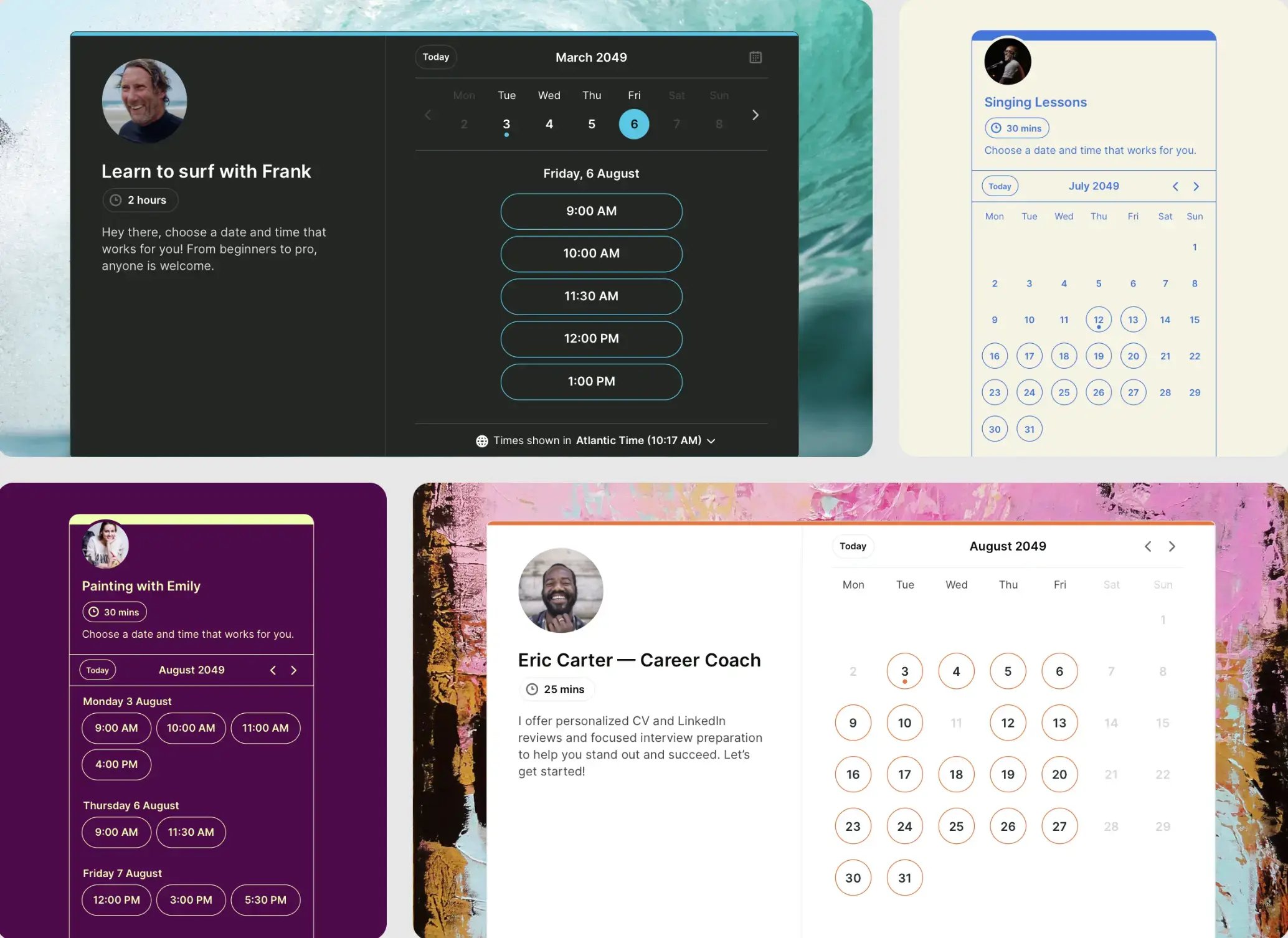
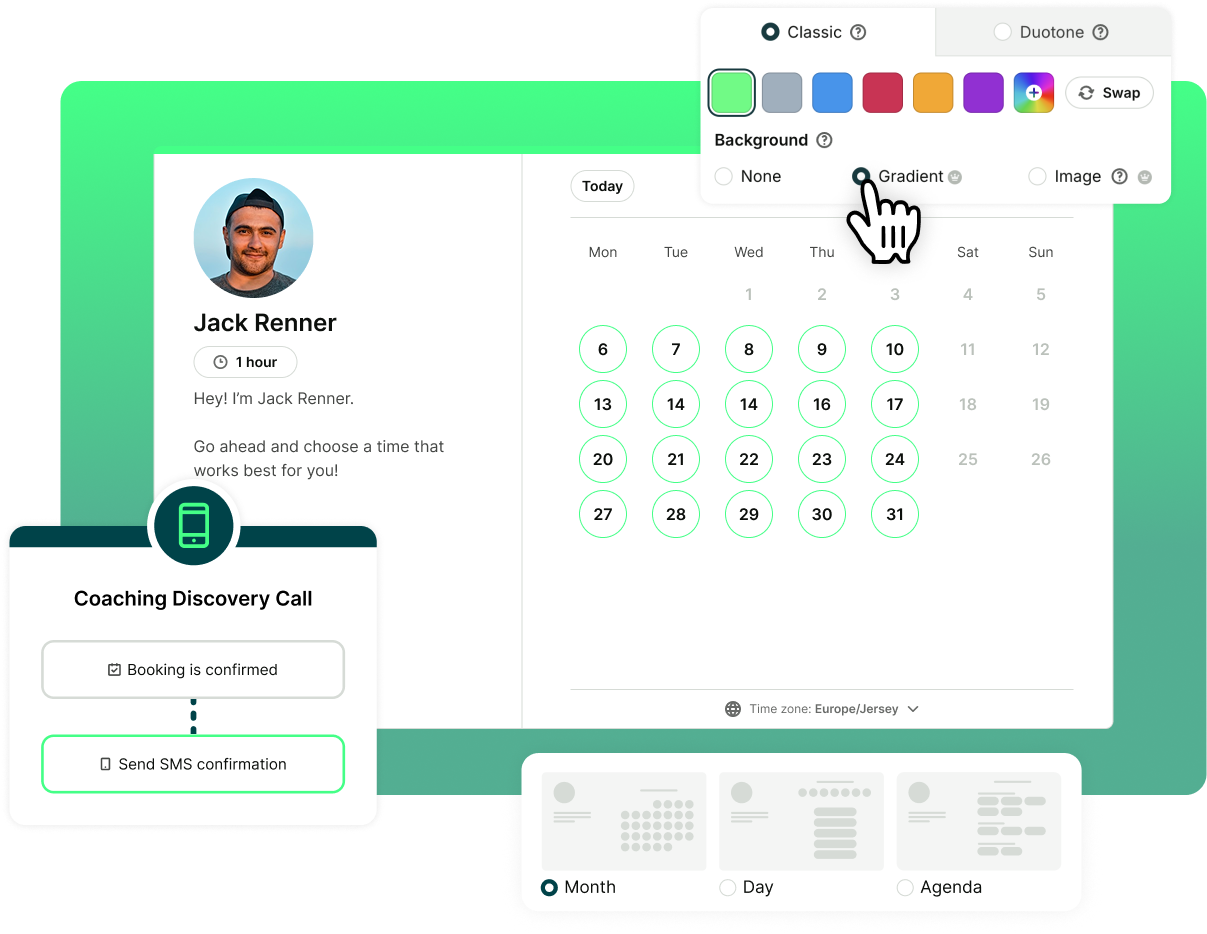
First, YouCanBookMe booking pages are fully customizable—from the logo, colors, footer, fonts, size, and layout—and come with a handy "live page" preview so you can see the edits you're making in real-time.
YouCanBookMe supports 44 languages—including right-to-left scripts like Arabic and symbol-based languages like Japanese—and automatically detects your customer’s language and time zone based on their location. This makes it especially powerful for businesses working with international clients, creating a seamless, localized booking experience without any extra setup.
To top it off, YouCanBookMe also has SMS and email reminders, confirmations, and follow-ups that can be tailored based on how you make appointments with customers.
YouCanBookMe also has a non-modular workflow, which allows you to spin up new booking pages fast, without any complex steps or confusing terminologies.
This makes YouCanBookMe a great fit for solopreneurs and teams alike—especially if you want an easy-to-use booking tool that lets you create fully customized, on-brand booking pages instead of settling for a one-size-fits-all experience.
YouCanBookMe vs. Microsoft Bookings
Taking payments for bookings
Microsoft Bookings lets you display pricing for your services, but it doesn’t natively support taking payments during booking. It’s better suited for internal scheduling or simple appointment management, rather than client-facing, paid bookings.
YouCanBookMe, on the other hand, is built to handle both team scheduling and paid services. With it's Stripe integration, you can accept debit and credit cards, Apple Pay, and Google Pay—securely and in your preferred currency. You can also offer promo codes with expiration dates and minimum order values and create appointment add-ons to increase the value of each booking, all while tracking revenue in a built-in analytics dashboard.
Booking page customization
Microsoft Bookings offers only basic customization options—like adding your logo, photo, and adjusting colors—while the overall layout and booking experience remain largely fixed.
YouCanBookMe, on the other hand, is a customization powerhouse. Alongside logos, images, and brand colors, you can shape the entire look and feel of your booking page. For example, you can:
- Switch between day, week, or month views
- Add custom background images
- Apply a duotone theme
- Add a fully customizable footer with key business information
- Format your booking page text with styles like bold and italics
- Remove YouCanBookMe branding for a clean, fully professional experience
Meeting notifications
Booking tools typically send confirmation and reminder emails when someone schedules an appointment. Microsoft Bookings lets you customize the content of these emails and set basic messages, but the overall design and level of personalization are fairly limited.
YouCanBookMe, on the other hand, gives you much more control over how your notifications look and feel. For example, you can:
- Style your confirmation, reminder, and meeting follow-up emails with rich text and clear formatting
- Add your logo and images for stronger branding
- Customize the “from” name and subject line to make emails feel more personal
- Automatically trigger no-show notifications if a meeting is missed
YouCanBookMe vs. MS Bookings: Pricing
Microsoft Bookings is included with a Microsoft 365 subscription, which starts at $6/user/month and goes up to $22/user/month on higher-tier plans. Unlike YouCanBookMe, it doesn’t offer a standalone free plan.
YouCanBookMe, on the other hand, offers a completely free plan alongside three paid options:
-
Individual ($8.10/month): Connect up to 2 calendars and create 2 booking pages, with custom colors and backgrounds, multiple availability views (month, week, day), and password-protected pages.
-
Professional ($11.70/month): Scale up to 6 calendars and 10 booking pages, with unlimited workflows, the ability to accept or reject bookings, no-show tracking, Google Analytics and social pixel tracking, plus integrations like HubSpot.
-
Team ($16.20/user/month): Built for collaboration, with 10 calendar connections and 15+ booking pages per user, role-based access, round-robin scheduling, multi-host booking pages, centralized billing, unlimited API access, and personalized onboarding.
Use YouCanBookMe if:
- You want to quickly create a highly customized, on-brand booking experience
- You need your scheduling tool to work seamlessly beyond the Microsoft ecosystem
- You want to take online payments for your bookings
- You’re looking for more advanced features—like meeting polls, round robin scheduling, and the ability to connect multiple calendars
2. OnceHub: Best alternative for lead qualification
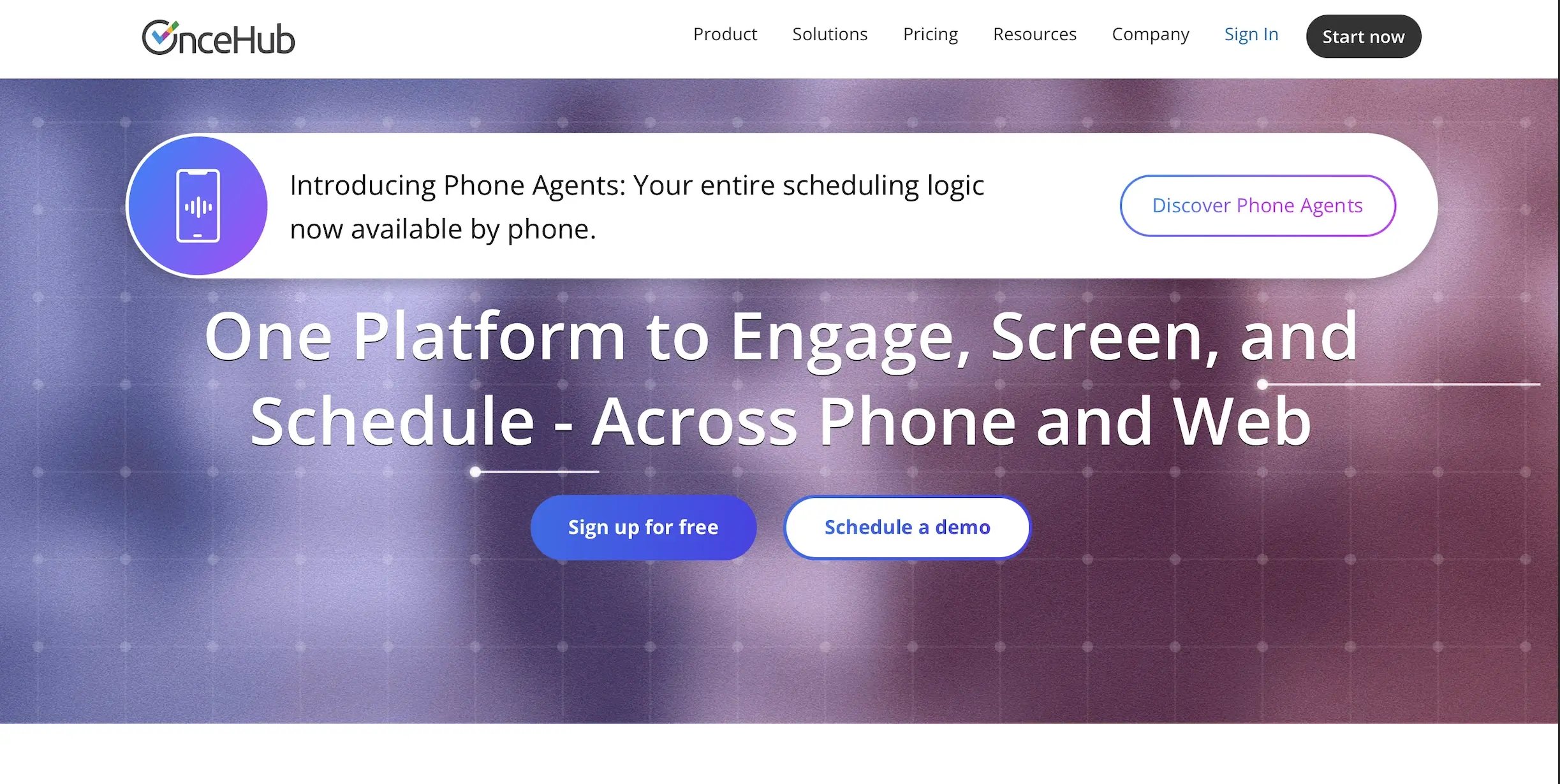
OnceHub—previously called ScheduleOnce—has evolved from a scheduling tool into a full customer engagement platform focused on lead capture, qualification, and booking.
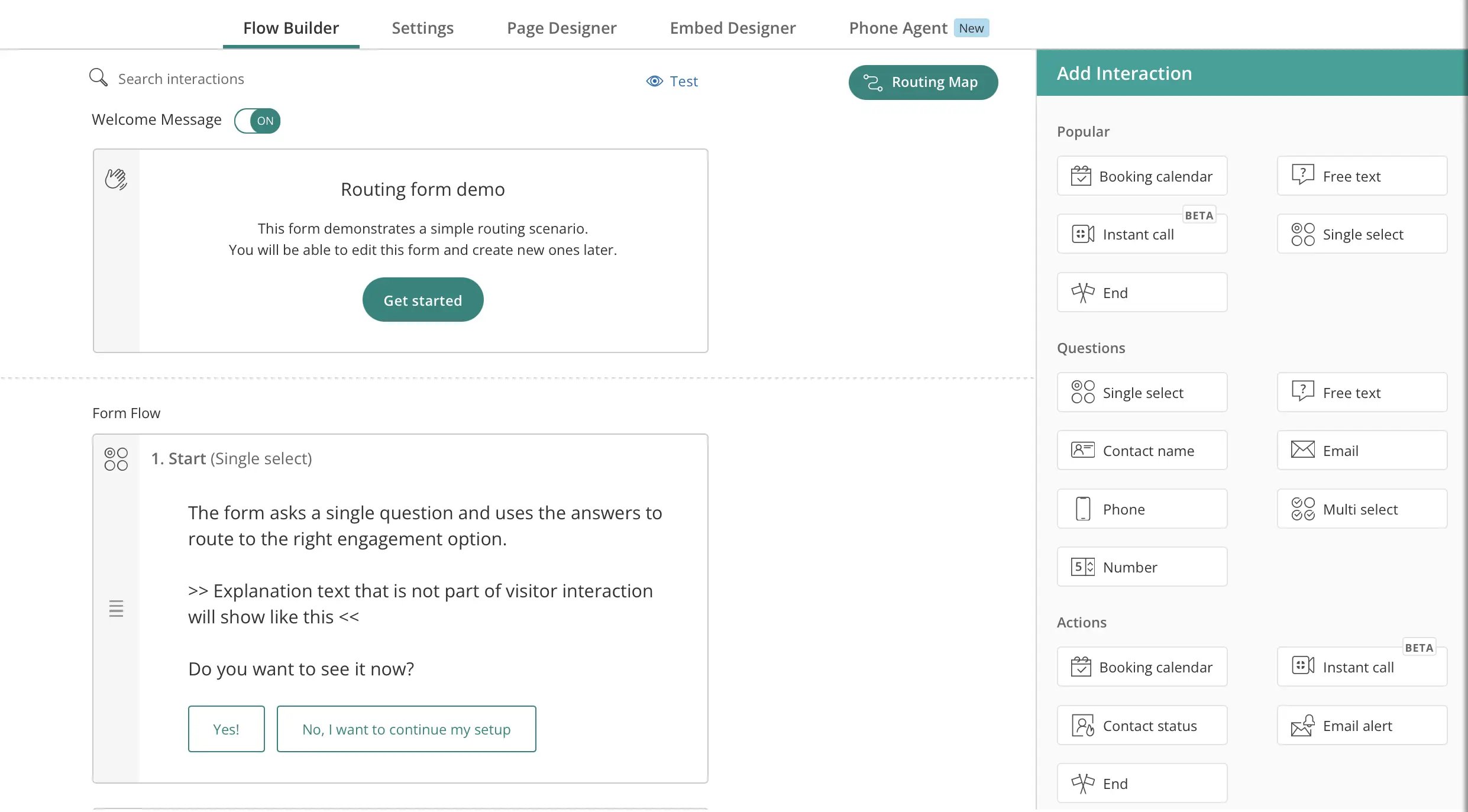
Rather than just offering a booking page, OnceHub lets you build end-to-end lead engagement flows.- A visitor lands on your website and interacts with a chatbot or form
- Their responses are used to qualify and route them
- Based on that, they can be offered options like an instant meeting, a scheduled booking, or another next step
Once a meeting is selected, OnceHub functions as a traditional scheduling tool—similar to Microsoft Bookings.
These features make OnceHub best suited for teams that want to automate lead qualification and accelerate sales conversations, not just schedule meetings. It’s particularly useful for larger teams or enterprises with more complex sales workflows.
OnceHub vs. Microsoft Bookings
OnceHub includes scheduling features similar to Microsoft Bookings, such as standalone booking pages, availability controls, and basic customization options like branding and time settings.
However, it goes well beyond scheduling. OnceHub also offers built-in chatbots, voice assistants (IVA), and lead capture forms, all connected through a no-code journey builder. This allows you to create guided flows that qualify leads, route them appropriately, and move them toward booking a meeting.
In short: while Microsoft Bookings focuses on scheduling, OnceHub is designed to manage the entire lead-to-meeting journey.
OnceHub pricing
OnceHub offers several plans designed around different levels of engagement and automation:
-
Free plan: Basic features for individuals getting started with online scheduling
-
Schedule ($10/user/month): Professional scheduling for individuals and teams
-
Route ($19/user/month): Adds lead qualification and routing
-
Engage ($39/user/month): Includes conversational scheduling
-
Enterprise (custom pricing): For larger teams (typically 30+ users)
If you have stricter security requirements, additional security features are available as an add-on for an extra $5/user/month.
Use OnceHub if:
- You have a good marketing budget
- You want to automate lead qualification
- You want to accelerate leads down your sales funnel
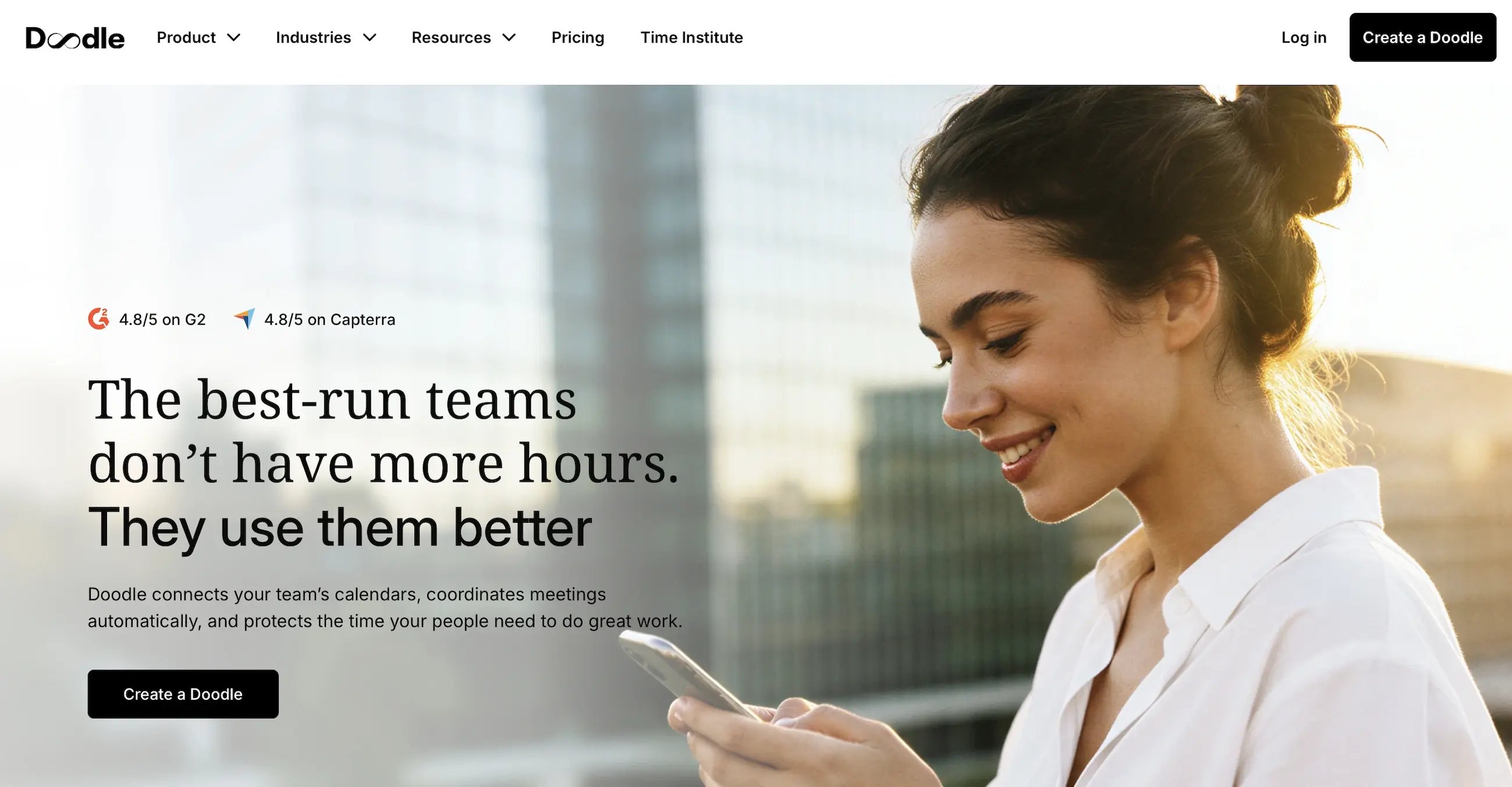
Doodle was founded in 2007 with a simple question: when?
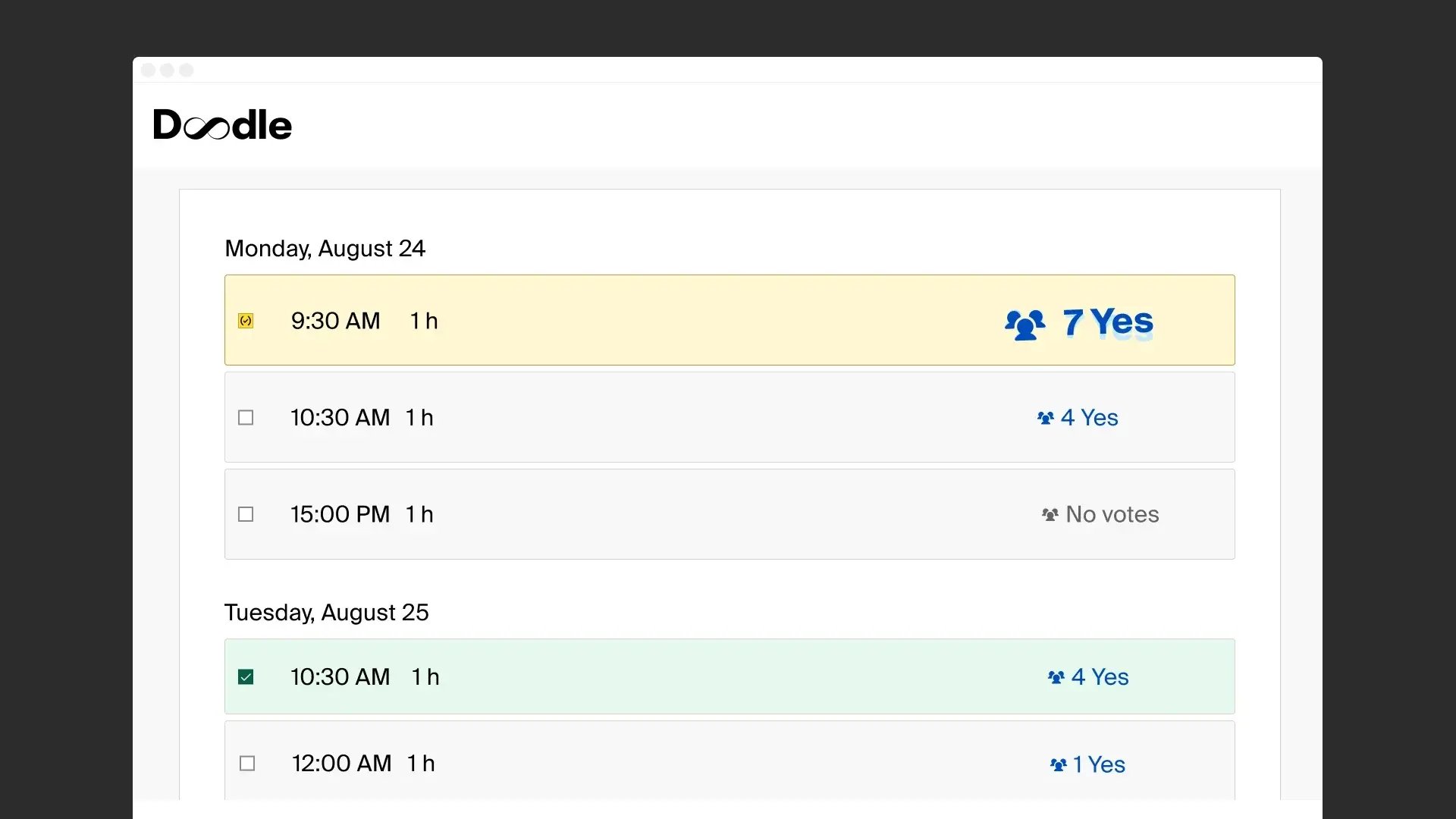
That is, when is everybody free for a meeting? To answer this question, it offers three types of scheduling: a booking page, 1:1 meetings, and group meeting polls. Doodle also integrates with many popular work tools, such as Zoom, Google Meet, Outlook, Teams, and Zapier.
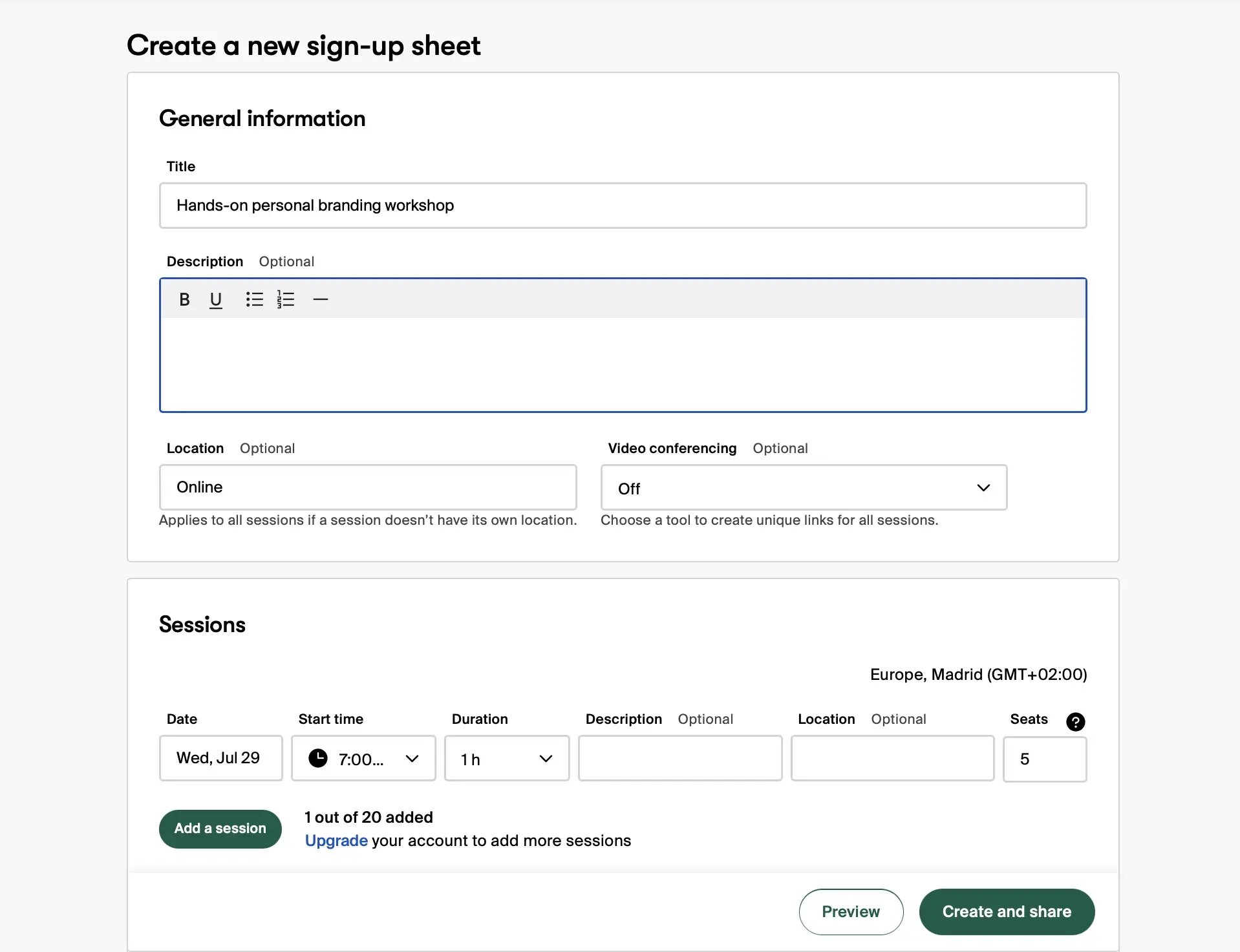
When it comes to booking pages, Doodle comes with the standard set of features, including:
- Custom meeting times
- Meeting buffers
- A limit to the maximum number of bookings per day
- Automatic appointment reminders to participants
- Automatic time-zone adjustment
- Taking payments for meetings (via Stripe)
Doodle’s most powerful feature is its easy-to-use group polls, which make it handy for internal team meetings. While it can be used to schedule external client-facing meetings as well, the limited branded and booking page customization options make it less suitable than other Doodle competitors.
Doodle vs. Microsoft Bookings
At first glance, Doodle and Microsoft Bookings offer very similar scheduling features—like booking pages, availability settings, and calendar integrations. In practice, you can use either tool to let people book time with you.
The main difference comes down to flexibility and ecosystem. Microsoft Bookings is tightly integrated into Microsoft 365, which works well if you’re already using that stack—but can feel limiting if you rely on tools outside it. Doodle, by contrast, is more cross-platform and flexible. It also offers group polls as a core feature, which is something Microsoft Bookings doesn’t provide (though other tools like YouCanBookMe or Calendly do).
In short, Doodle is more flexible and cross-platform, while Microsoft Bookings is more structured and best suited to teams already working within the Microsoft ecosystem.
Doodle pricing
Doodle offers four plans:
- Free plan: Includes one booking page, with ads
- Professional ($6.95/user/month, billed annually): Unlocks premium features for individual users
- Team ($8.95/user/month, billed annually): Adds team functionality like roles and permission
- Enterprise (custom pricing): Designed for larger organizations
Use Doodle if:
- You conduct a lot of group meetings
- Meeting polls are a non-negotiable feature for you
- You’re looking for a free scheduling solution for a single user and don't mind ads
4. Acuity Scheduling: Best alternative for small brick-and-mortar service providers
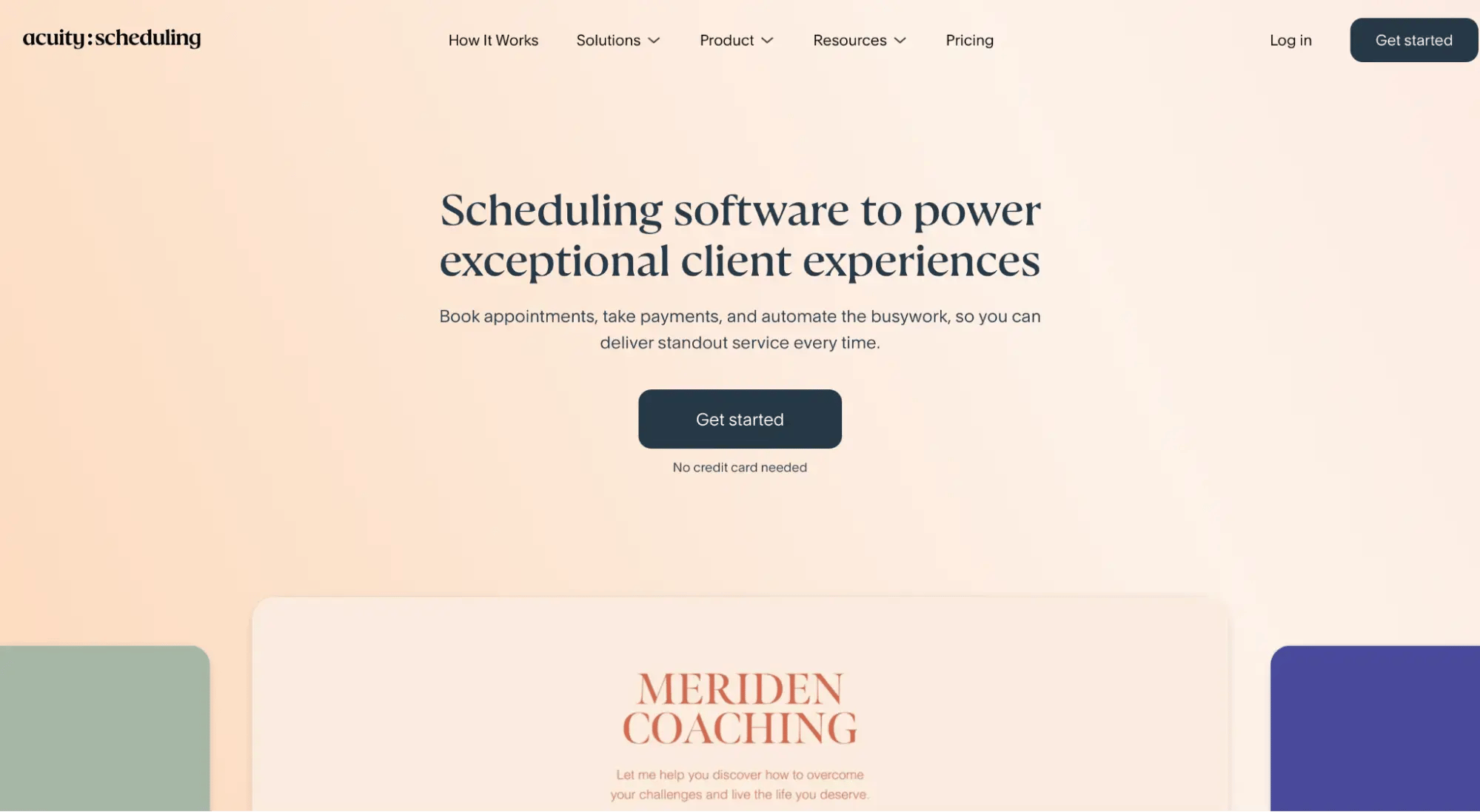
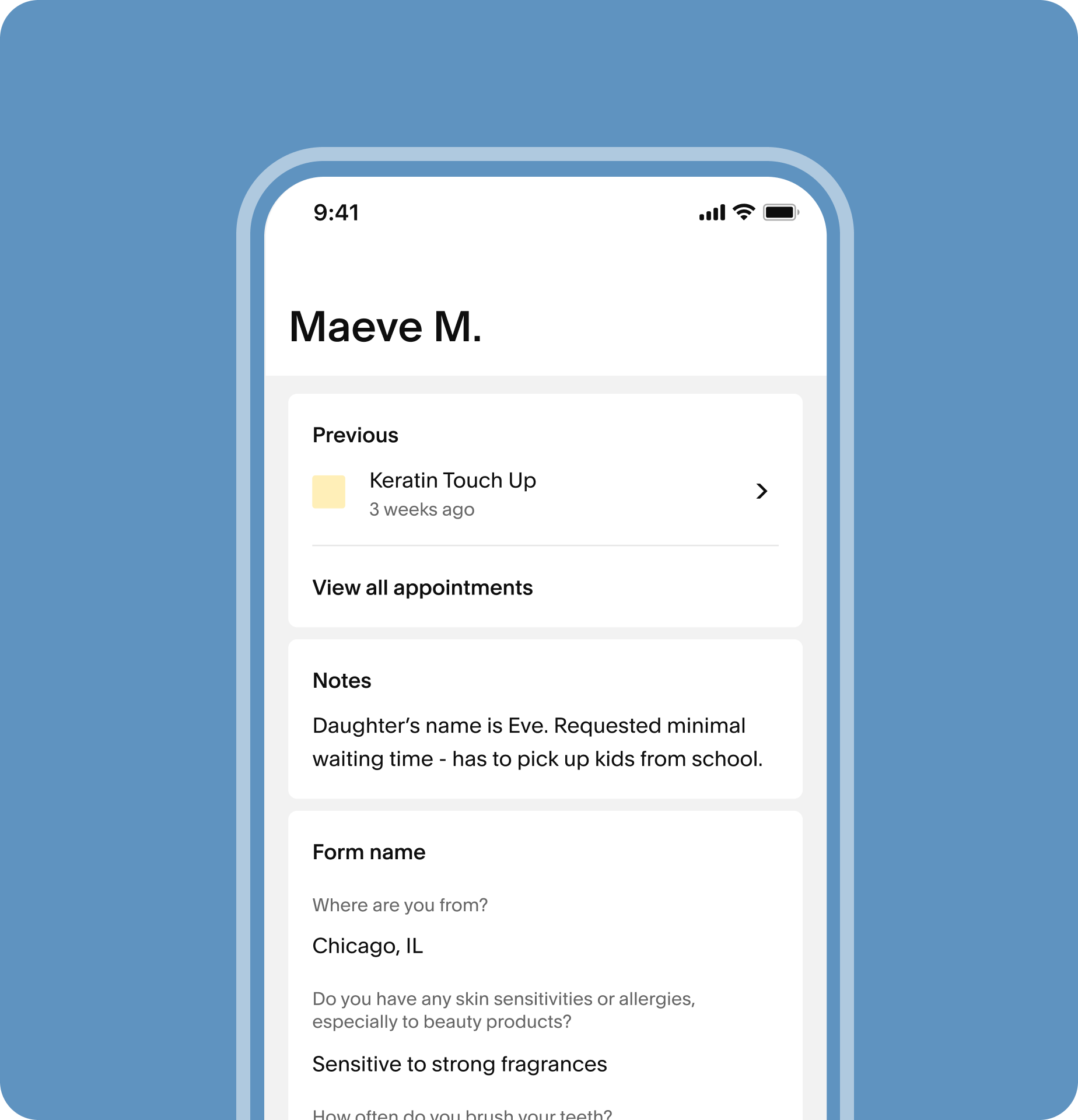
Founded back in 2006, Acuity Scheduling is a booking app built for service- and appointment-based businesses. It’s a great choice if you need more than just a scheduling tool, with client management features built right in.
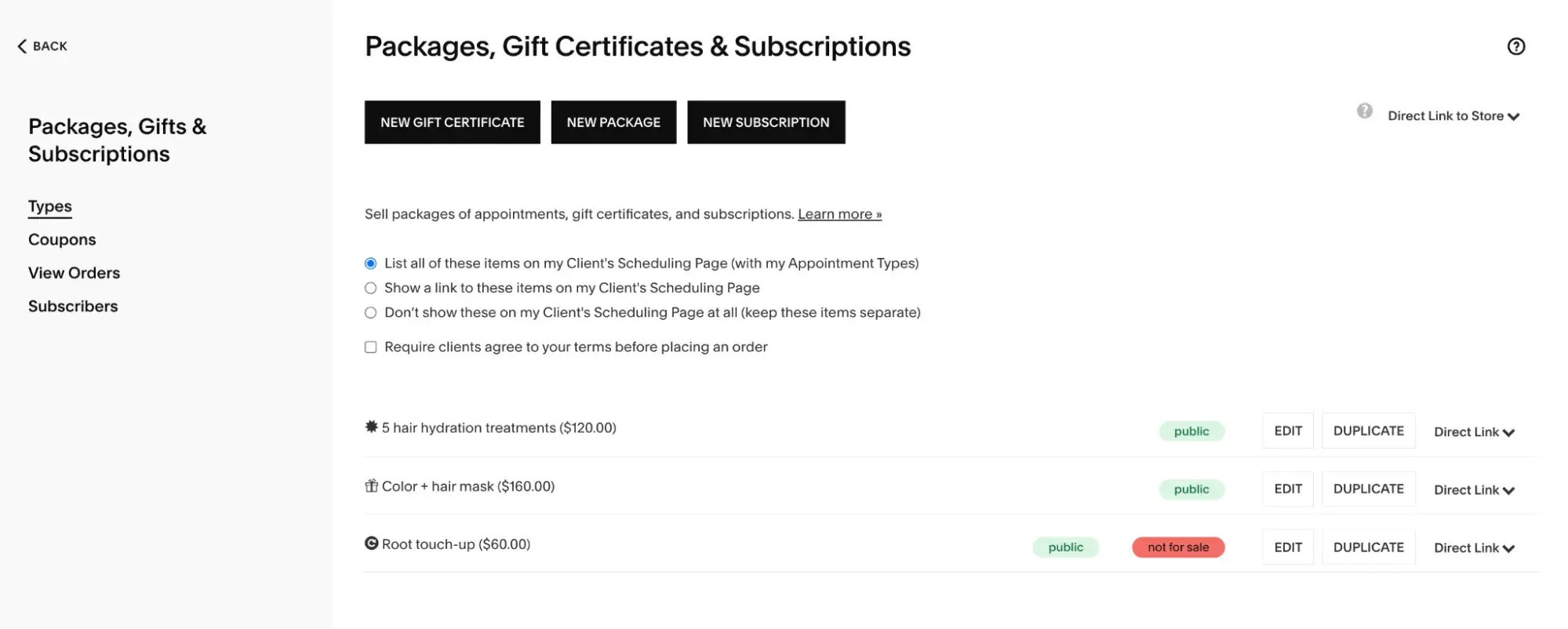
Acuity offers a solid set of tools for businesses that charge for appointments, like storing client details, creating invoices, setting up flexible payment plans, and adding upsells at checkout to increase revenue per booking.
It also integrates with tools like Zoom, Google Meet, Zapier, Google Calendar, and Microsoft Calendar. And since being acquired by Squarespace, it works especially well with Squarespace websites, especially when compared with Acuity alternatives.
With built-in payments (including tips) and client management features, Acuity Scheduling is particularly well-suited for brick-and-mortar service providers such as salons and wellness clinics.
Acuity vs. Microsoft Bookings
There are a few stand-out differences between Acuity Scheduling and Microsoft Bookings:
- Acuity offers more features tailored to service-based businesses, such accepting tips, selling packages or subscriptions, and adding upsells during booking.
- Acuity includes built-in tools for client management, invoicing, and payments, while Microsoft Bookings focuses more on scheduling.
- Microsoft Bookings is tightly integrated with the Microsoft 365 ecosystem (Outlook, Teams, etc.), whereas Acuity integrates with a broader range of tools and works especially well with Squarespace websites.
Overall, Microsoft Bookings is a solid choice for teams already using Microsoft 365 that need simple scheduling. Acuity Scheduling, however, is better suited for service-based businesses that want to manage bookings, clients, and payments all in one place.
Acuity Scheduling pricing
Acuity Scheduling offers three tiers:
-
Starter ($16/month): 1 calendar—ideal for solo users
-
Standard ($27/month): Up to 6 calendars—great for small teams
-
Premium ($49/month): Up to 36 calendars—suited for larger teams or multi-location businesses
Use Acuity if:
- You’re a brick-and-mortar service provider
- You're looking for a scheduling tool with built-in client management features
- You use Squarespace for your business website
5. Calendly: Best alternative for enterprise
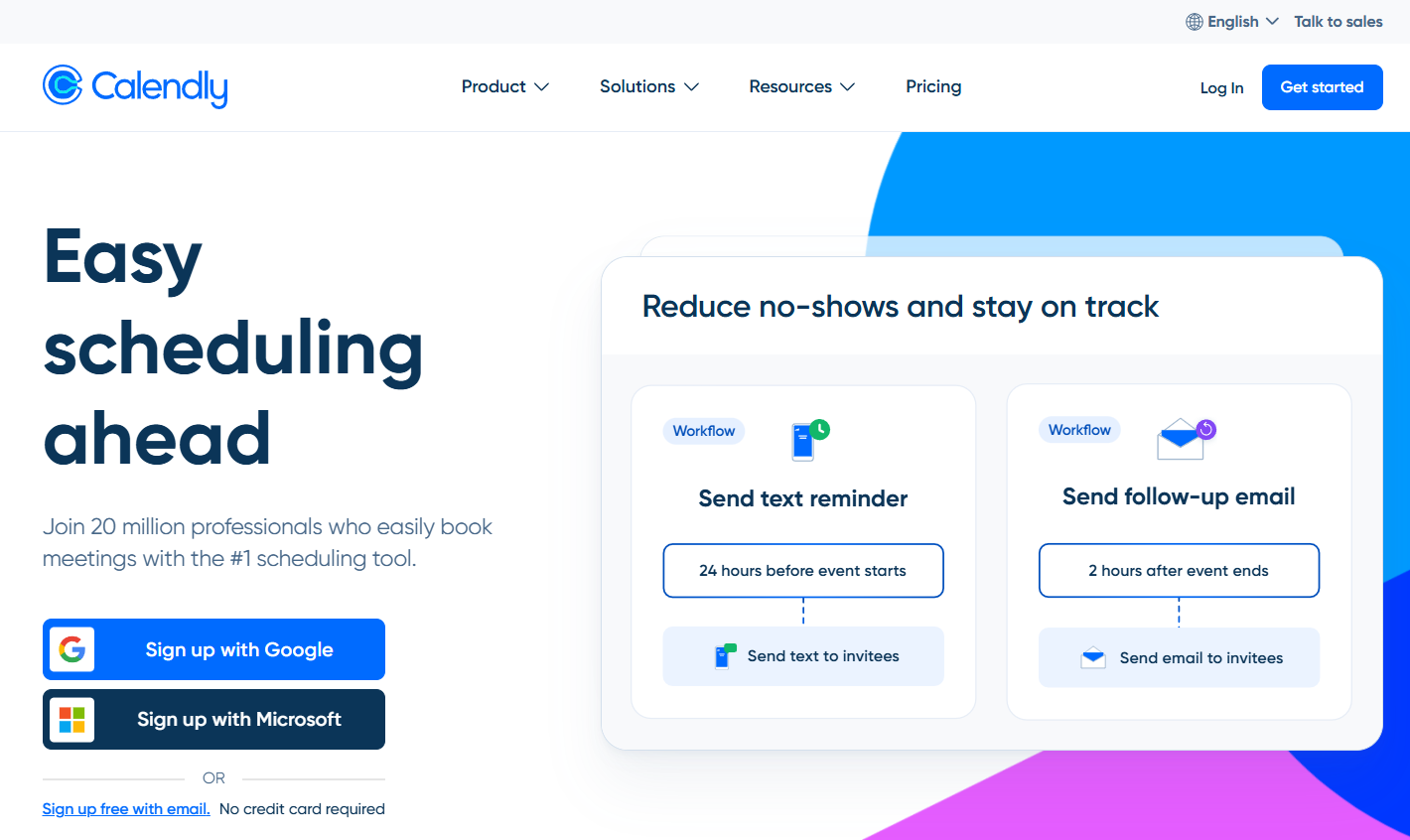
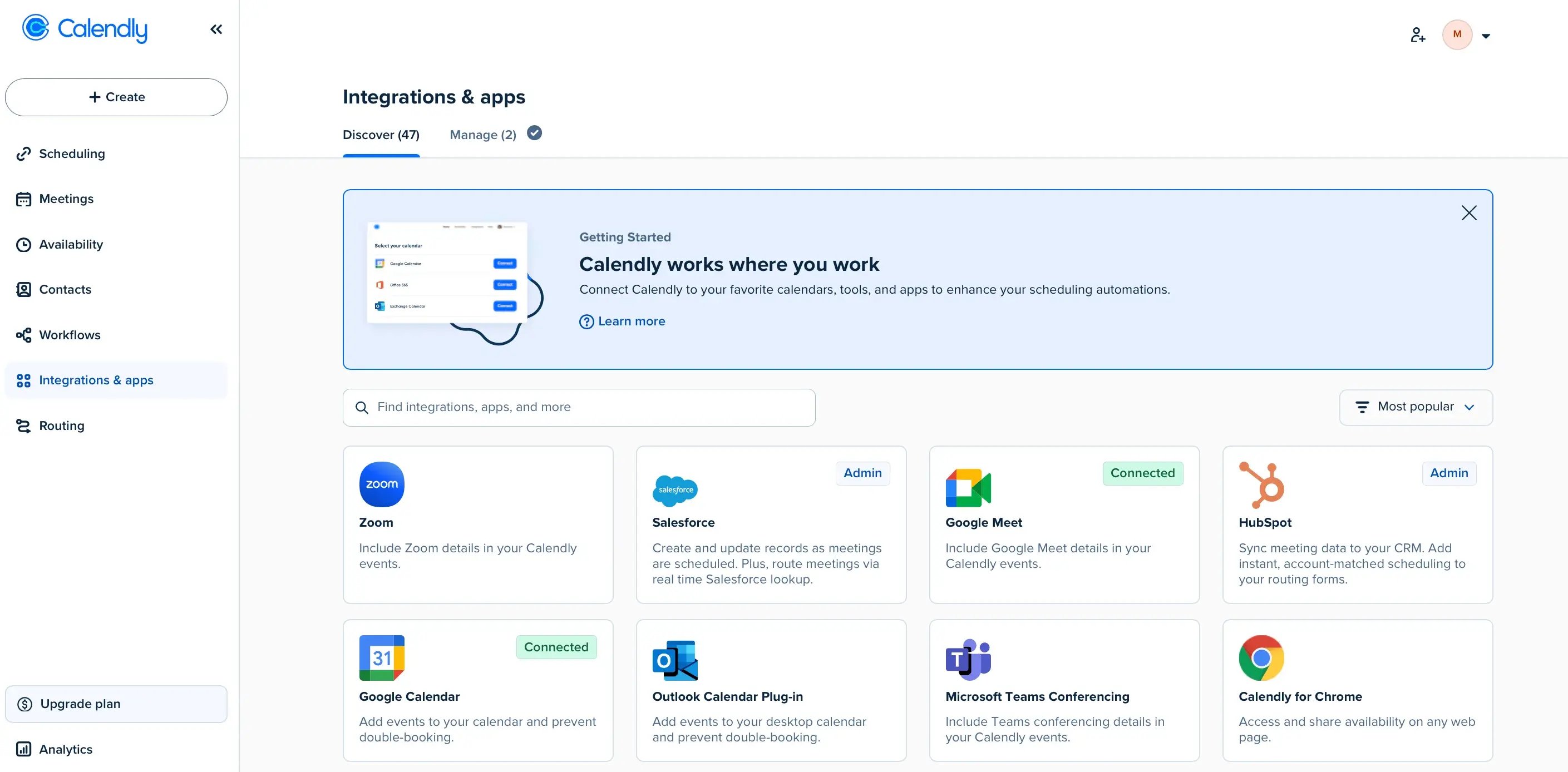
Founded in 2013, Calendly has become one of the most recognizable names in scheduling. Its easy-to-use interface removes the usual back-and-forth of booking meetings, making it a dependable option for teams that just want scheduling to work without friction.
With over 150 integrations, Calendly is often a go-to for larger organizations that need to keep scheduling consistent across teams and tools. Features like round-robin scheduling, routing logic, and strong analytics features make it well-suited for managing high volumes of meetings.
That said, while it’s great for standardizing scheduling at scale, teams looking for more flexibility, deeper customization, or built-in revenue features may want to consider Calendly alternatives.
Calendly vs. Microsoft Bookings
Calendly and Microsoft Bookings cover a lot of the same ground. Both let you create booking pages, sync calendars, set availability, and send automated reminders—so in practice, either one can handle day-to-day scheduling.
Where they start to differ is in how they’re used. Calendly is more flexible and works across a wide range of tools, which makes it a popular choice for larger teams managing high volumes of meetings. Features like round-robin scheduling, routing logic, and multiple calendar syncs make it easier to distribute bookings and keep everything running smoothly at scale.
Microsoft Bookings, on the other hand, is more structured and tightly connected to the Microsoft 365 ecosystem. It works well for internal scheduling or straightforward appointment setups, especially if your team already lives in Outlook and Teams.
In short, Calendly is better suited for teams that need flexibility and scale across different tools, while Microsoft Bookings is a simpler, more contained option for organizations already operating within Microsoft 365.
Calendly pricing
Simply put, like many MS Bookings alternatives, Calendly is more expensive. The tool offers the following plans:
-
Free: Basic scheduling for individuals, with one event type and one calendar connection
-
Standard ($10/user/month, billed annually): Adds more flexibility with multiple calendars, integrations, and automation features
-
Teams ($16/user/month, billed annually): Built for growing teams, with round-robin meetings, lead routing, and admin controls
-
Enterprise (custom pricing): Designed for larger organizations, with advanced security, compliance, and dedicated support
Use Calendly if:
- You are looking for an enterprise tool to scale across your entire business
- You need a booking app that integrates well with different departments and tech stacks
- You need a routing logic
6. Google Calendar: Best alternative for the Google ecosystem
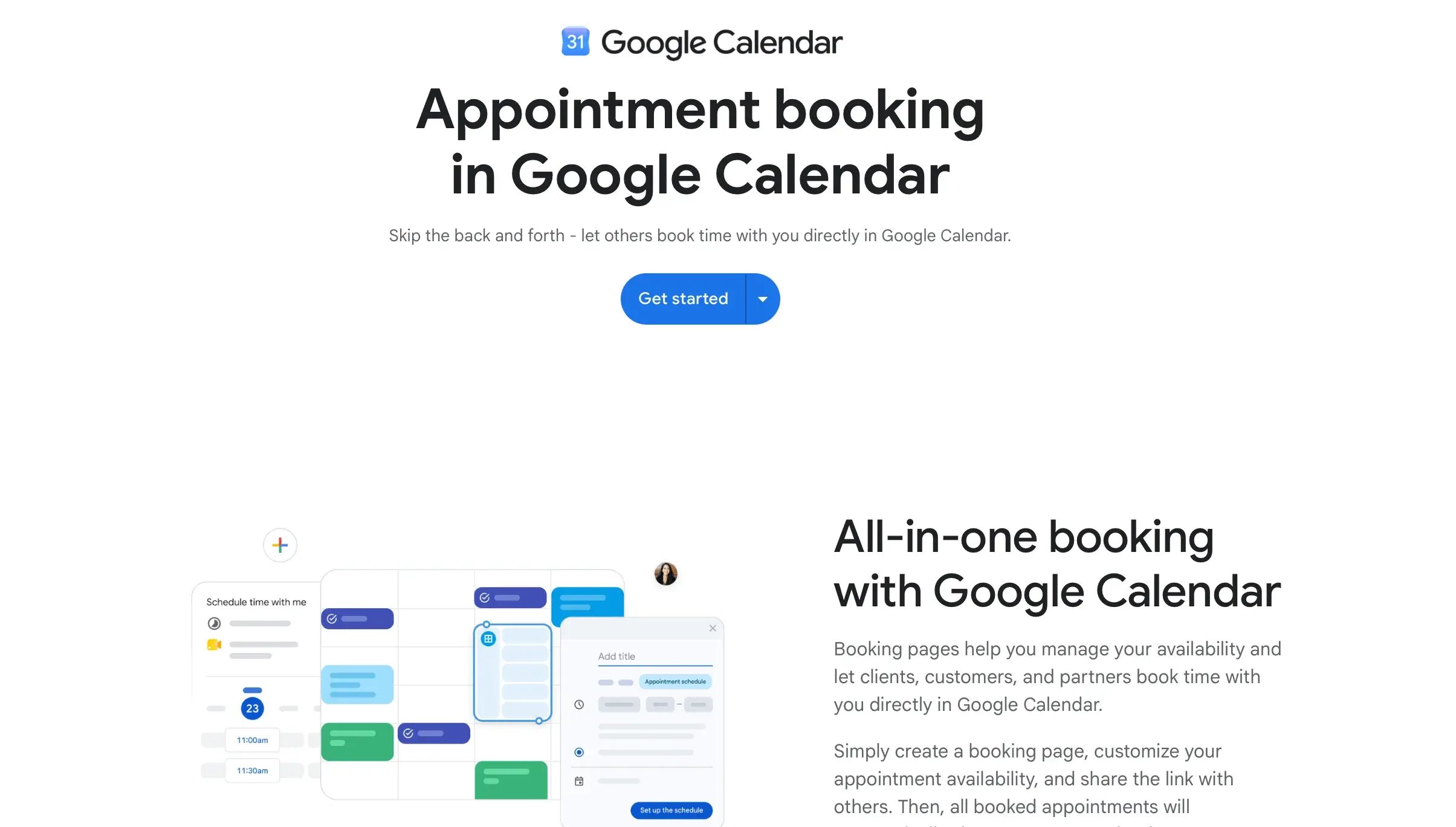
Google introduced appointment scheduling to its Workspace calendar in 2022.
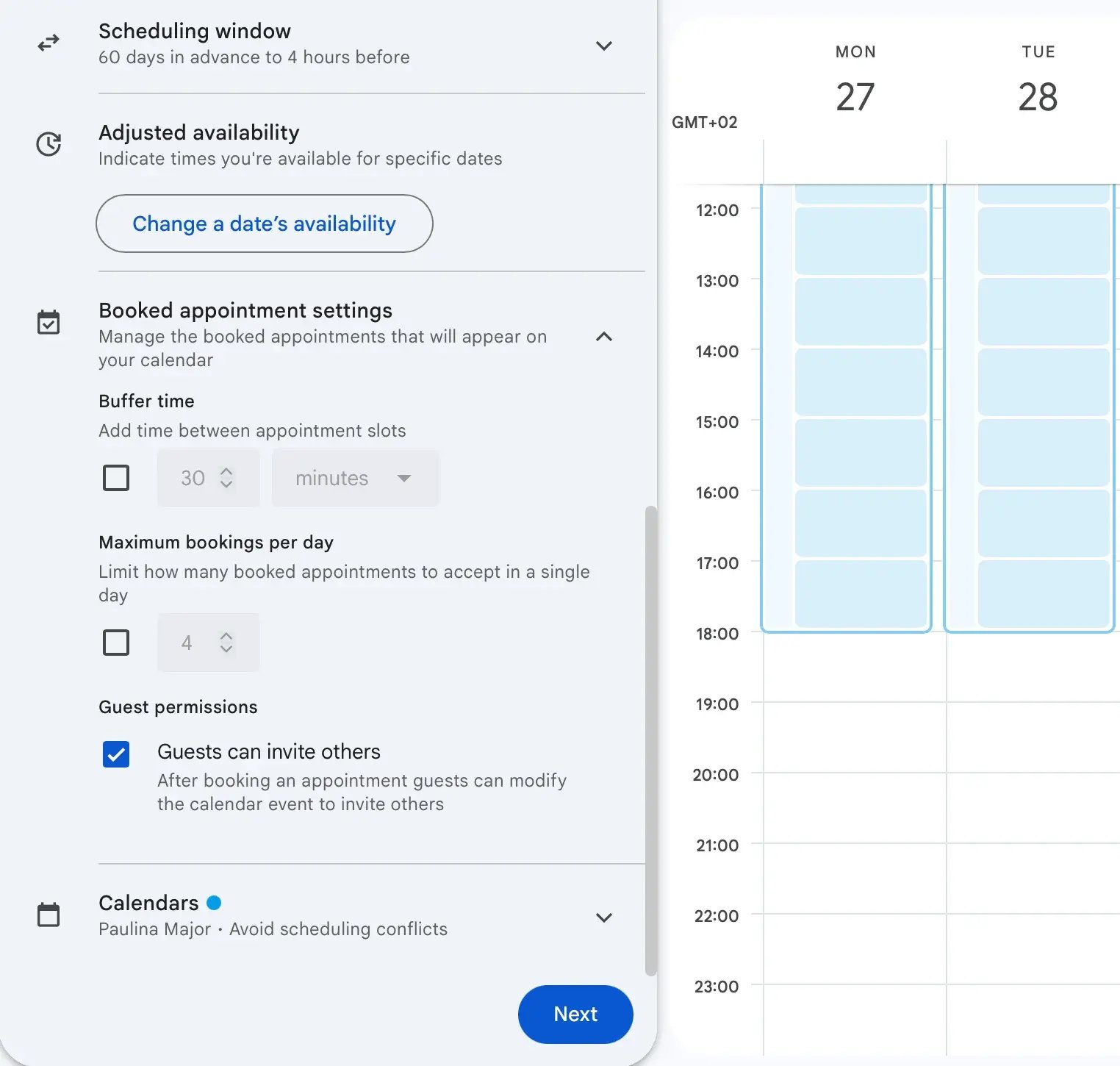
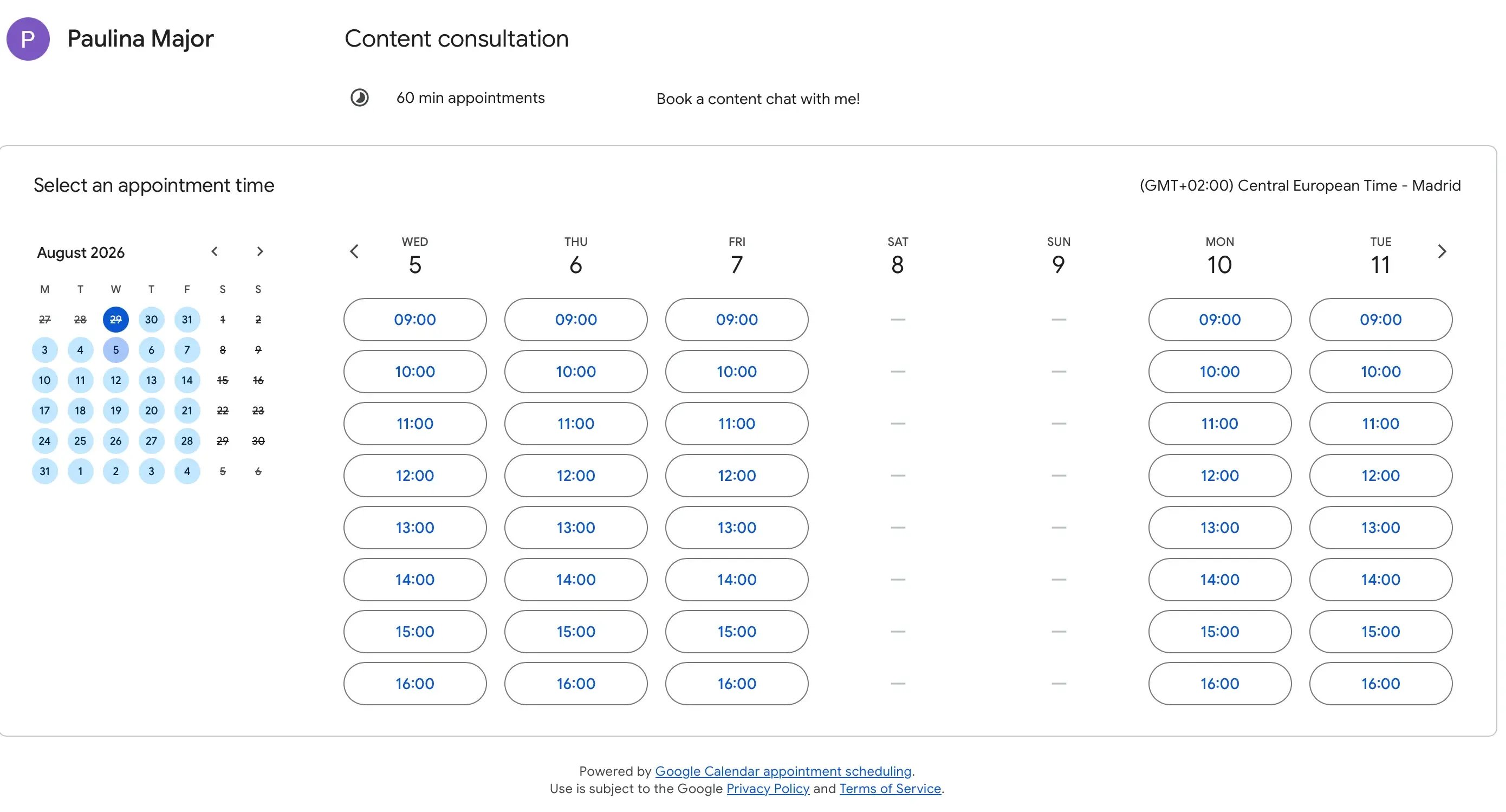
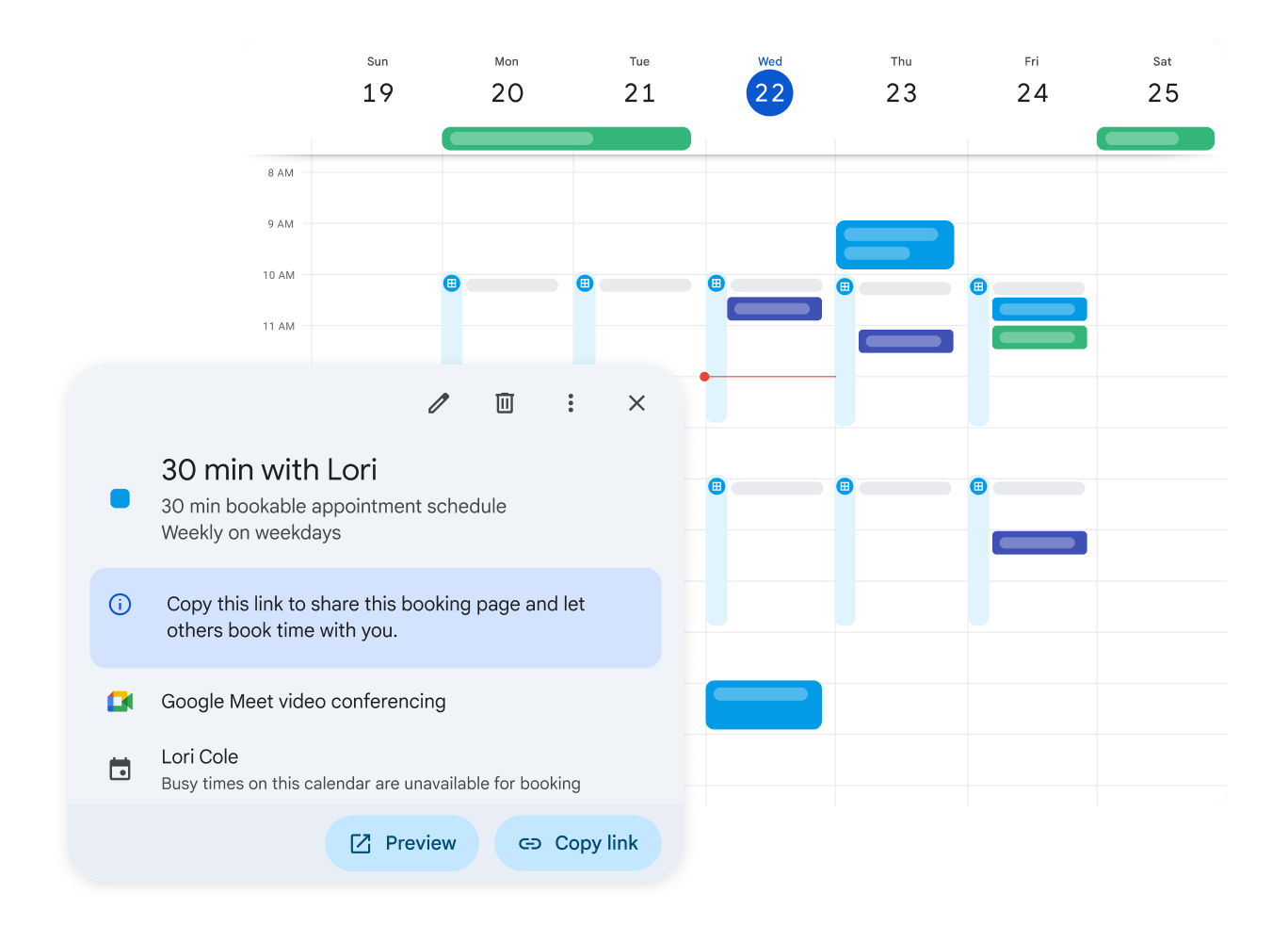
And the best way to describe Google’s scheduling feature is: simple but comprehensive. That’s because it offers all the basic scheduling features you’d like, such as:
- A shareable booking page with your name and picture
- Automatic integration with Google Calendar and Google Tasks to avoid scheduling conflicts
- Booking page questions
- Appointment buffers
- Maximum appointment duration and number
- Accepting payments for meetings
However, you don’t get anything more advanced with the tool like you do with Google Calendar's competitors. For example, you can’t add custom colors or backgrounds to your booking pages, set up round-robin scheduling, or create multiple appointment types in one scheduling link.
This makes Google Calendar ideal for teams that are already using Google Workspace and need a lightweight and basic scheduling tool. It’s also the perfect Microsoft Bookings alternative for teams who want to migrate from Microsoft’s ecosystem to Google’s!
Google Calendar vs. Microsoft Bookings
Google Calendar’s appointment scheduling feature and Microsoft Bookings can feel quite similar at first glance. Both are popular free online calendars that let people book time with you based on your availability.
The differences really come down to two things. First, the ecosystem—Google vs. Microsoft—which usually ends up being the deciding factor if you’re already using one of them. Second, Microsoft Bookings is a bit more built out as a scheduling tool. It lets you offer multiple service types on one booking page, create more structured booking forms, and automate follow-up emails.
That said, Google Calendar does have one advantage: on paid plans, it allows you to accept payments for appointments—something Microsoft Bookings doesn’t support natively.
Overall, it mostly comes down to which ecosystem you prefer, but if you’re looking purely at scheduling features, Microsoft Bookings has a slight edge.
| 💡 Pro tip: Want to make the most out of Google Calendar? Check out these Google Calendar tips to better organize your meetings, manage your availability, and stay on top of your schedule. |
Google Calendar pricing
Google Calendar itself is free to use, with more advanced scheduling features available on paid Google Workspace plans.
-
Free plan: Create and share a basic booking page
- Google Workspace Individual (starting at $9.99/month, billed annually): Adds more flexibility, including multiple booking pages, automated reminders, and the ability to accept payments
- Business plans (starting at $6/user/month, billed annually): Expands scheduling further with features like adding appointment schedules to secondary calendars and supporting co-hosted meetings
Use Google Calendar if:
- You want a simple, no-friction way to let people book time with you
- You’re already using Google Workspace and want everything in one place
- You don’t need advanced features like round-robin, services, or complex workflows
Final verdict: Which MS Bookings alternative should you choose?
Each of these tools solves scheduling in a slightly different way, so the right choice depends on how you work and what you need from your booking setup.
If you’re looking for a simple, built-in option, Google Calendar is a natural choice—especially if you’re already in the Google ecosystem.
And if you need a standardized way to manage scheduling across larger teams, Calendly can help keep things consistent at scale.
But if scheduling is a core part of your business—and you need flexibility, customization, and a booking experience that actually reflects your brand—YouCanBookMe stands out as the most complete alternative to Microsoft Bookings.
Our final piece of advice? Most tools offer free trials, so it’s worth testing a couple to see what fits!
FAQs
What’s the easiest Microsoft Bookings alternative to switch to?
The easiest switch really depends on your current setup. While Google Calendar is the closest alternative in terms of simplicity, it can feel like a step sideways rather than an upgrade—especially if you rely on tools inside the Microsoft ecosystem.
If you want a smoother transition and more functionality, it’s worth choosing a tool that works with what you already use. Try a scheduling app like YouCanBookMe, which integrates seamlessly with Outlook Calendar and Microsoft Teams, while also connecting to tools like Google Calendar, Google Meet, Stripe, HubSpot, and Zoom.
So instead of switching ecosystems or losing features, you actually upgrade your scheduling—with more flexibility, customization, and control—without having to change the rest of your workflow.
Can I try these alternatives before committing?
Yes—most Microsoft Bookings alternatives offer free trials, so you can test them out before making a decision.
- YouCanBookMe offers a free 14-day trial of the plan of your choosing, with no credit card required
- Google Workspace offers a 14-day free trial for its business plans
- Calendly offers a free 14-day trial of its Teams plan
- Acuity Scheduling offers the shortest trial, coming in at 7 days
- OnceHub offers a free 14-day trial of its Engage plan
- Doodle offers a free 14-day trial of its Pro plan
This makes it easy to compare tools side by side and see which one fits your workflow best.
What are the top Microsoft Bookings alternatives for appointment scheduling?
There are several strong alternatives to Microsoft Bookings, depending on what you need from your scheduling setup.
If you’re looking for more flexibility and customization, YouCanBookMe is one of the most complete options. It gives you more control over your booking pages, workflows, and integrations—making it a strong upgrade for teams that rely on scheduling appointments as part of their business.
For a simple, built-in option, Google Calendar works well—especially if you’re already using Google Workspace. It’s easy to use, but more limited when it comes to advanced features.
If you need to manage scheduling across larger teams, Calendly is a popular choice, with features designed to route meetings across your staff.
Other options like Acuity Scheduling (for client management), OnceHub (for lead qualification), and Doodle (for group scheduling) can also be a good fit depending on your use case.
Ultimately, the best alternative depends on whether you need something simple—or a tool that can handle more advanced scheduling, automation, and customization.
Subscribe to our newsletter
Get productivity tips, news, articles and resources.
Written by
Gabriela Łaba
Gabriela is an (everything bagel) seasoned copywriter who has been banging out copy for brands both big and small since 2016. In her free time, you can find her buying Halloween decorations, reading, and trying to force her cat to love her.